Schools
Most homes are served by Millard Public Schools, one of the most consistently high-performing districts in the metro. Multiple high schools, strong middle and elementary programs, and a wide range of academic and extracurricular options throughout — it's a large district that delivers without the hype of some of its neighbors.
Free Address Lookup
Confirm Your School Assignment
Enter your specific address to see which Millard schools serve it — district boundaries don't always follow the lines you'd expect.
Shopping, Dining & Local Anchors
Millard is one of the better-served suburban areas in Omaha for everyday convenience — most of what a household needs is within a short drive. There's also a local anchor worth knowing.
Community & Convenience
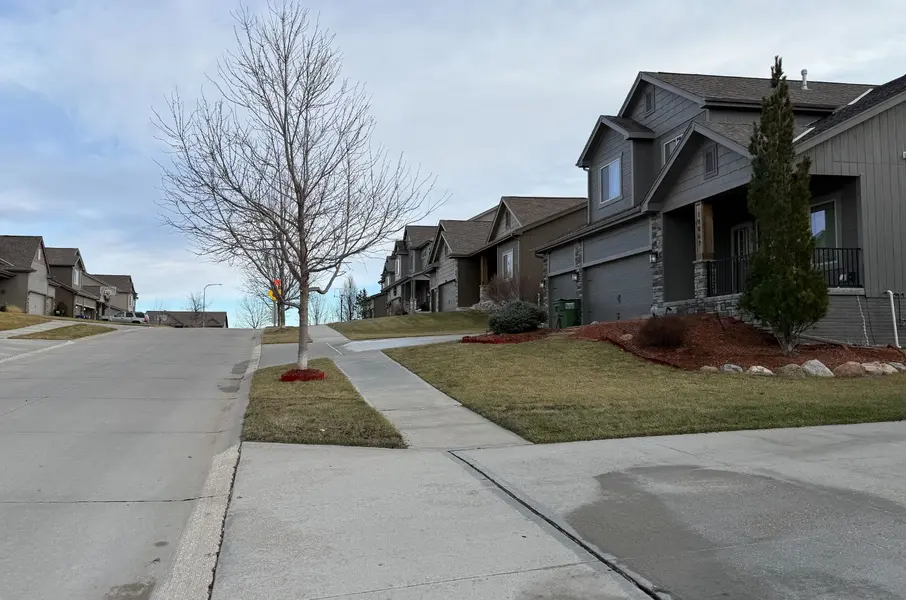
Millard doesn't have the walkable commercial district of Dundee or the mixed-use energy of Aksarben Village, and it doesn't try to. What it has is a fully built-out, well-resourced suburban community where most of what a family needs is within a short drive — and where the neighborhoods themselves are quiet, established, and functional in the way that matters day to day. Millard Days, held during the last full week of August, is the community's annual celebration — a week-long festival with a carnival, parade, and beer garden that brings the neighborhood together every summer. The old downtown area is small but has character, anchored by Local Beer, Patio, Kitchen — a local brewery and gathering spot that earns its place on any short list for the area.
Parks & Outdoor Space
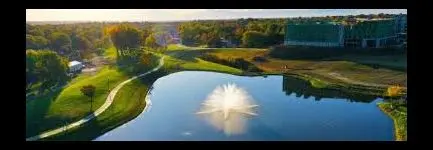
Millard is well-served for outdoor space — two significant recreation areas plus a network of community parks throughout the neighborhoods.
A Little History
Millard was incorporated as its own city in 1867 and remained independent for over a century before Omaha annexed it in 1971. It was one of Omaha's earliest suburban annexations, which is why the housing stock and street layout feel different from later suburban developments — the bones of the community predate the modern subdivision model entirely. That history shows up in the variety of the neighborhoods, the established trees, and the general sense that this is a place that was built to last rather than built quickly.
Omaha Real Estate & Neighborhood Guides


Millard Listings


MARKET SNAPSHOT
(SEP 03, 2026 - OCT 03, 2026)
MARKET SNAPSHOT

Market Trends