
Selling a Parent's Hoarder House in Omaha: A Compassionate, Step-by-Step Guide
If you've found yourself searching "how do I sell my parents' hoarder house" late at night, I want you to know two things right away: you're not alone, and you don't have to have it all figured out before you reach out for help. Most of the families I meet are exhausted, a little embarrassed, and carrying years of worry by the time they call me. This guide walks you through what actually happens when you sell a cluttered or hoarded home in the Omaha metro and Southwest Iowa — what to do first, what it tends to cost, and the decision every family eventually has to make.
What This Post Covers
A calm, no-judgment roadmap for adult children helping a parent sell a hoarded or heavily cluttered home in Omaha or Council Bluffs — first steps, cleanout costs, the as-is vs. list-it decision, and the paperwork that trips families up.
First, Take a Breath — This Is More Common Than You Think
Hoarding disorder is a recognized mental illness, not laziness or a character flaw. Researchers estimate it affects somewhere between 2% and 4% of people, which makes it more common than OCD or PTSD. It also tends to hit hardest later in life — seniors have had the most years to accumulate, and are often the most resistant to letting go. So if you're watching an aging parent's home slowly disappear under stuff, you are dealing with something real, widespread, and not your fault.
It's also worth saying: not every overwhelmed house is actually hoarding. Sometimes what looks like hoarding is really a lifetime of collections, or years of clutter that simply piled up faster than anyone could deal with it. I'm not a clinician, and honestly the label doesn't change how I help. I come into every situation the same way — with zero judgment and complete discretion. What happens behind your family's doors stays between us, and my only job is to help you figure out the best path forward.
I'll be honest about what I usually see on the real estate side. By the time the kids call me, they've often already started. They'll walk me through the house and say some version of, "You should have seen it six months ago." Sometimes it's true clutter, sometimes it's full hoarding with garbage, pests, or worse. I once had a seller whose mental illness had left trash and dog feces throughout the home. Every situation is different — and every one of them is workable.
"Almost every family says the same thing: 'You should have seen it six months ago.' You are not the first person to walk through this, and I promise you won't be the last."
Before You Throw Anything Away
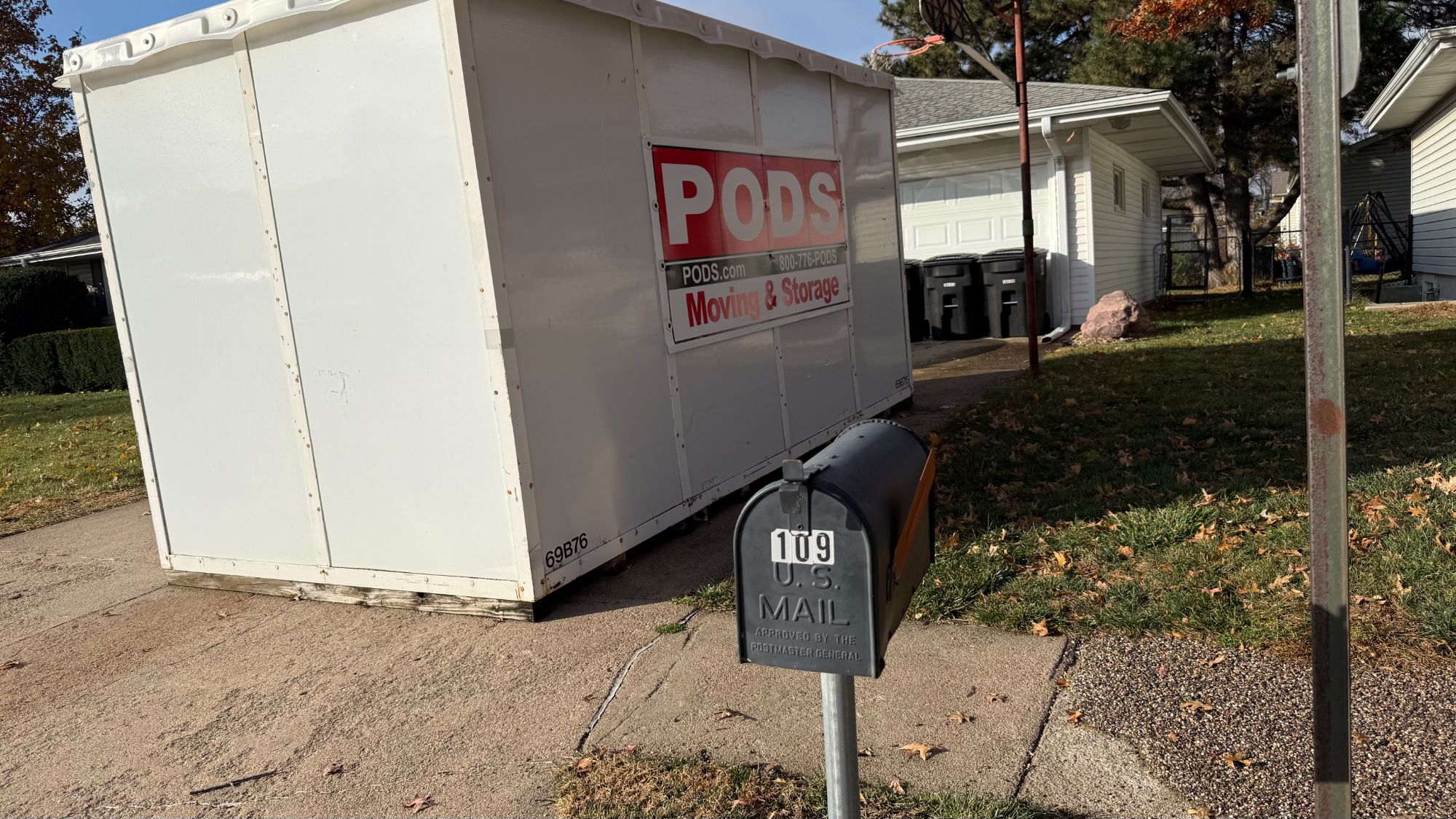
I know the instinct is to back a dumpster up to the door and start heaving. Please don't — at least not yet. There are two reasons. First, if your parent is still living and the hoarding is tied to their mental health, a surprise or forced clear-out can do real harm and almost always backfires; whenever possible, the person should be part of the process. Second, value hides in the mess. In a hoarded home, antiques, cash, jewelry, important legal documents, and irreplaceable family mementos routinely get mixed in with what looks like pure garbage. Toss too fast and you can throw away the deed, the savings bonds, or grandma's ring.
Here's what I actually recommend as a first move: get a few sets of eyes on the house before anything leaves. I'll often do a walk-through and bring in a stager before the family clears it out, so they know what's worth keeping for resale, what could go in an estate sale, and what's genuinely trash. A little patience up front routinely saves families thousands of dollars and a lot of regret.
Two Paths: Clean It Out and List It, or Sell As-Is
Every family eventually lands on one of two roads. Which one is right for you depends on the level of clutter, how much cash is available, how much help the family can pitch in, and your timeline. Here's the honest trade-off:
| Path | Best When | The Trade-off |
|---|---|---|
| Clean out & list on the market | The clutter is manageable and you have time, some cash, or family help | More work and upfront cost, but almost always nets the family more money |
| Sell as-is to an investor | Full hoarder conditions, biohazards, no time, or no money for a cleanout | Fast and hands-off, but the investor builds in their margin — you net less |
Whenever it's at all possible, I steer families toward cleaning out and listing on the open market, because that's where the money is. Most owner-occupant buyers simply can't see past clutter — they walk in, get overwhelmed, and leave. That's why a true hoarder house usually ends up selling to an investor, and investors price for roughly a 30% margin to cover their risk and rehab. With the trash house I mentioned earlier, a normal cleanout wasn't realistic, so selling to an investor was genuinely the right call. But for most families, a thoughtful cleanout puts more in everyone's pocket.
What a Cleanout Actually Involves (and Costs)
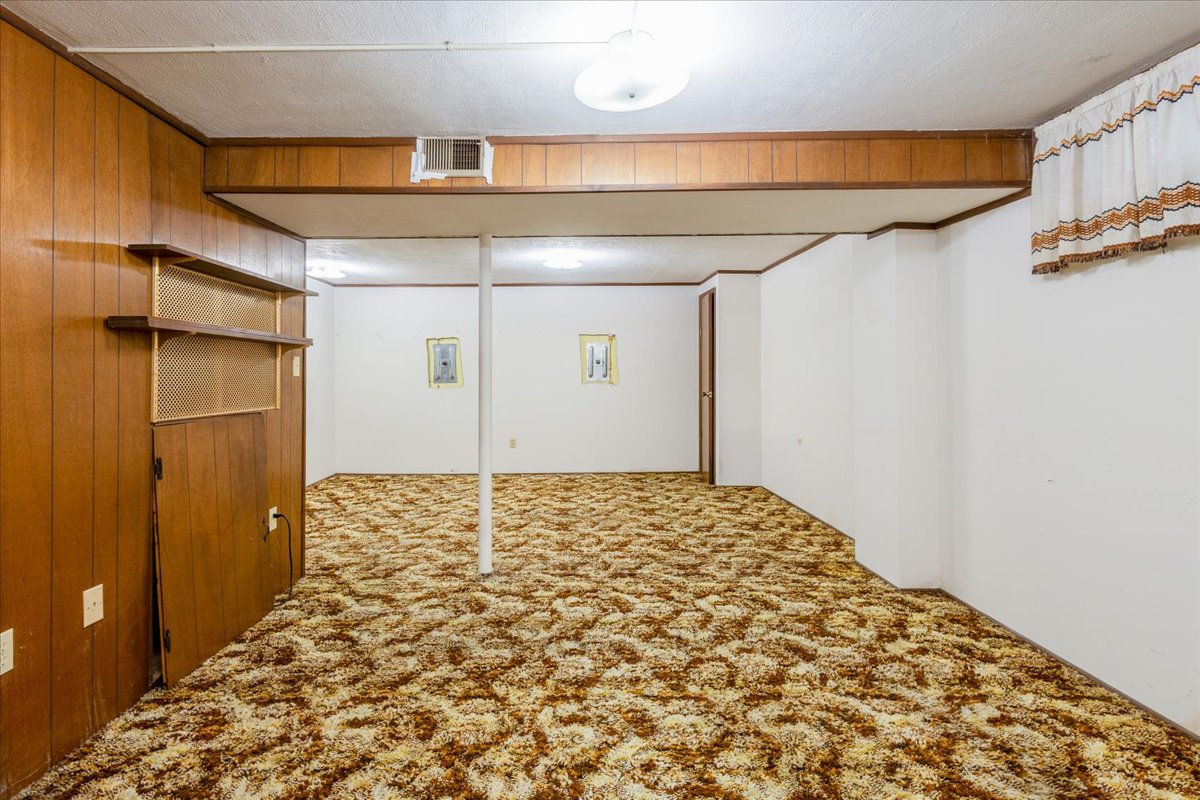
If you go the cleanout route, here's the usual order of operations. Anything that makes the house unsafe comes first — pest control, animal removal, and biohazard cleaning if needed — because you can't assess mold or structural issues until the house is uncovered. From there it's the practical stuff: pull anything valuable for an estate sale (or consignment if there isn't quite enough for a full sale), then a garage sale, donations, and dumpster rentals for the rest.
Costs vary wildly with the severity. A heavy, full-hoarder cleanout with pests is not cheap — I'm watching a neighbor go through one right now where rodent and bed bug issues have pushed it toward roughly $30,000 and multiple dumpsters. Most situations land well below that. And here's something a lot of families don't know: you don't always have to pay out of pocket. There are options to finance the cleanout and settle up at closing, so the home's eventual sale covers the cost. I keep a private, vetted list of local junk haulers, biohazard and deep-cleaning crews, estate sale companies, and senior move managers across the Omaha metro and Council Bluffs — just ask and I'll point you to the right ones for your situation.
Free Download
Free Omaha Home Seller's Guide
Step-by-step guide to pricing, timing, and maximizing your net proceeds when selling in the Omaha market — including homes that need work.
Download Free →The Paperwork Families Trip Over
The emotional side gets all the attention, but the paperwork is where deals stall. If one or both owners have passed, be proactive: gather death certificates early and make sure the estate is properly moving through probate before you try to sell. Probate timelines differ between Nebraska counties like Douglas and Sarpy and Iowa's Pottawattamie County, so it pays to get the legal side started while the cleanout is underway rather than after.
One piece of good news on disclosures: in Nebraska, a sale by an estate is generally exempt from the standard seller property condition disclosure, which is a relief when no living person actually remembers the home's full history. I help families sort out which exemptions apply and make sure nothing gets missed — it's a lot easier when you're not learning it for the first time under deadline.
You Don't Have to Figure This Out Alone
This is heavy work, emotionally and physically, and it's okay to lean on people who've done it before. On the real estate side, that's me — reach out anytime and I'll help you think it through. I've walked families through everything from "a little cluttered" to "we had to sell to an investor," with zero judgment and a roster of trusted local pros for the parts I don't do myself. If your parent is still living and the hoarding is active, the International OCD Foundation's resources for families and the Children of Hoarders community are good, compassionate starting points for the mental-health side. Whether you're across town in downsizing mode or handling a property over in Council Bluffs, the path forward is the same: one step at a time, with the right people beside you.
Do I have to clean out a hoarder house before I sell it?
No. You can sell a home completely as-is to an investor without touching the clutter. But if the home is in workable shape, cleaning it out and listing on the open market almost always nets the family more money, because traditional buyers struggle to see past the mess.
How much does it cost to clean out a hoarded house in Omaha?
It depends heavily on severity. A light cleanout can be modest, while a full-hoarder situation with pests or biohazards can run into the tens of thousands — I'm currently watching a local one approach roughly $30,000. The good news is you can often finance the cleanout and pay at closing rather than out of pocket.
My parent passed away. Do I still have to fill out the seller disclosure?
In Nebraska, a sale by an estate is generally exempt from the standard seller property condition disclosure. You will, however, need to be proactive about death certificates and making sure the property is properly handled through probate before closing.
Should I throw things away before calling a Realtor?
Hold off on tossing anything valuable. Cash, jewelry, antiques, and legal documents are routinely mixed in with garbage in these homes. I recommend a walk-through and often a stager consult first, so you know what to keep before the dumpster shows up.
Wondering What Your Parent's House Could Sell For?
Get a no-pressure, no-judgment estimate of the home's value — cluttered, as-is, or cleaned out. I'll help you weigh your options.
Recent Posts